If you work in care—whether that’s a hospital, nursing home, or assisted living—you already know the tension:
Historically, “better monitoring” often meant more intrusive tools: cameras, constant video feeds, or systems that send sensitive data offsite for processing.
cogvisAI is built around a different idea: you can prevent and respond to falls without recording identifiable video of people. It’s a privacy-first approach designed to support care teams while respecting the people they care for.
When people hear “AI,” they often imagine a camera watching and recording everything.
That’s not what privacy-first AI needs to look like.
AI inference is simply the moment when a trained model turns sensor input into a useful answer—like:
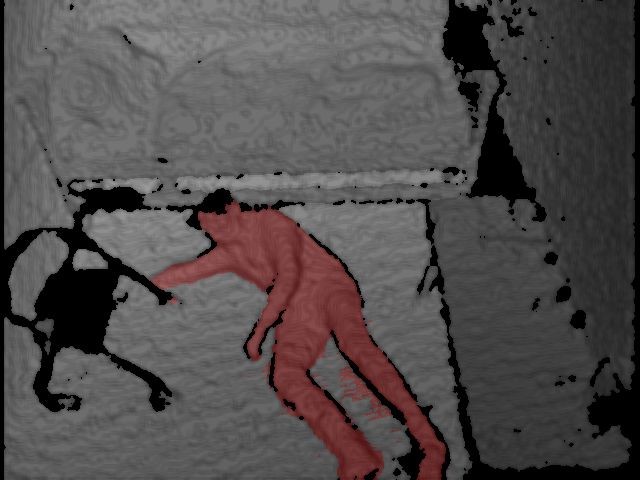
With cogvisAI, the system uses 3D infrared depth sensing and AI to analyze movement in real time. Instead of producing a normal video image, it works with depth data—a more abstract representation of what’s happening in the room.
Think of it like this:
It doesn’t “watch people.” It recognizes movement patterns that matter for safety.
One of the biggest privacy differences between “monitoring” systems is where the analysis happens.
cogvisAI is designed so that information is processed directly on the device—locally—rather than shipping raw data elsewhere.
In other words:
That “local-first” approach supports privacy in a practical way: the less sensitive data you transmit or store, the less there is to expose.
A common concern with privacy-preserving systems is:
“If we don’t see video, how do we know what happened?”
cogvisAI answers this with event-based visualization. According to cogvis, only when an event occurs does the system generate a visualization for transparency and context—and these visualizations do not include primary identifying features.
So what can staff actually see?
That means teams can:
Falls aren’t only a “moment” problem. They’re often the result of a risk pattern: restlessness, instability when standing, repeated unassisted bed exits, and more.
The cogvis solution describes both reactive and proactive safety capabilities—ranging from fall detection and analysis to fall prevention features like “virtual bed beam” and “virtual room beam,” depending on configuration.
This matters because prevention can reduce:
“Modern” fall prevention isn’t just about AI buzzwords. It’s about combining:
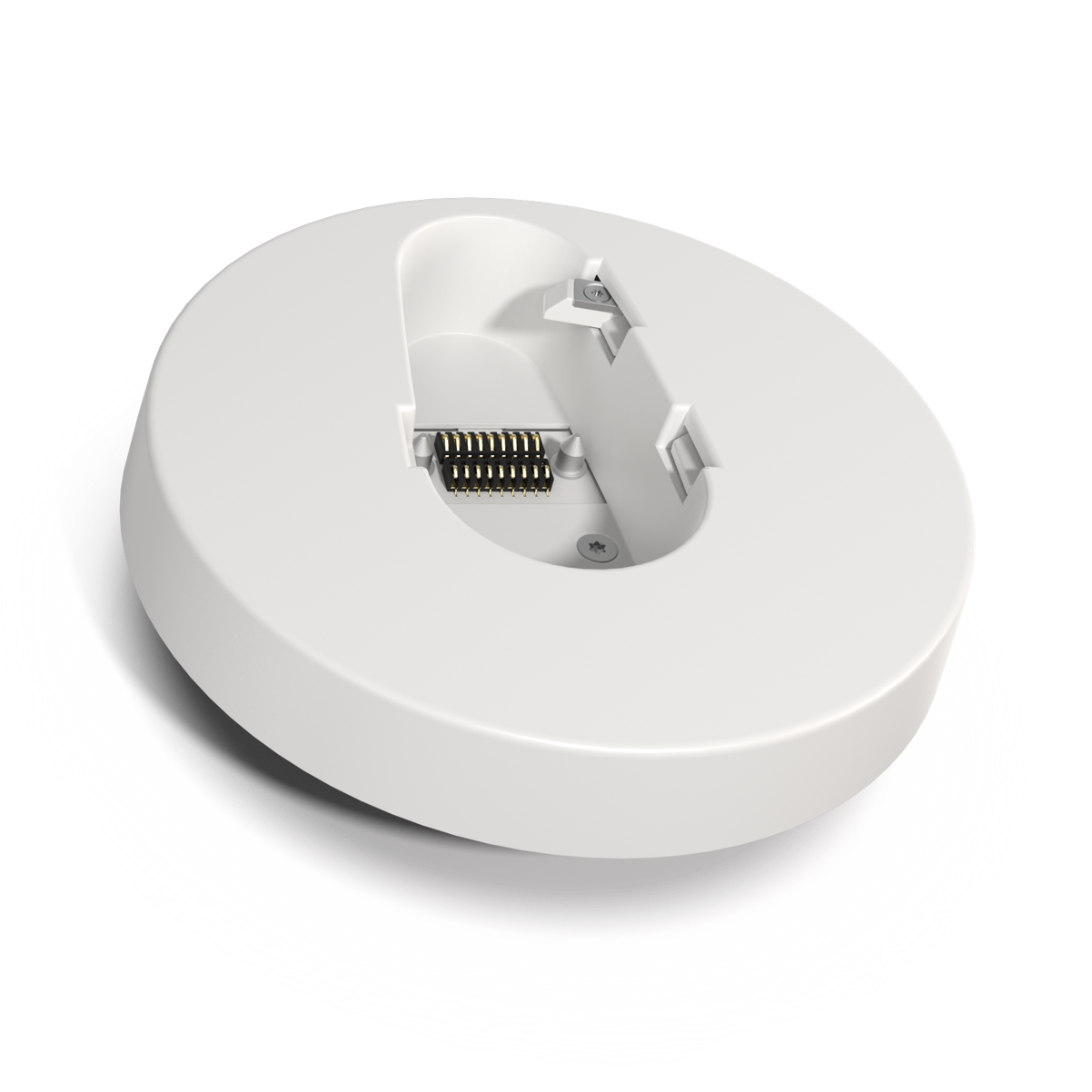
cogvis describes its core as a 3D infrared sensor that analyzes movements precisely in real time, with all information processed on the device.
And in practice, cogvis notes adoption across hundreds of institutions.
The big takeaway: you don’t have to choose between safety and dignity. You can design for both.
Whether you’re evaluating cogvisAI or any alternative, these questions cut through the noise:
If your goal is privacy-first fall prevention that still gives caregivers real context, cogvisAI is designed specifically around those requirements.
Falls are urgent. Privacy is non-negotiable. And care teams deserve technology that supports them—without creating new risks.
cogvisAI’s on-sensor AI inference, depth-based visualization, and privacy-by-design approach aims to make that balance possible: faster help when it matters, and dignity always.