In care settings, a fall is usually the final moment in a chain of events:
If your systems only react at the end of that chain, you’re stuck doing after-the-fact care.
That’s why it helps to separate two concepts that often get blended together:
Once you see the difference, it becomes much clearer how to choose the right technology and workflow.
Reactive care is what happens after the risk event occurs.
Examples:
Reactive care matters. Fast response can reduce complications and improve outcomes. But it doesn’t stop the fall from happening.
Proactive care is what happens before the incident—when there’s still time to intervene.
Examples:
Proactive care is about preventing the fall, not just detecting it.
Now the second distinction:
“Static” doesn’t mean bad—it means the prevention approach is mostly fixed and doesn’t change minute-to-minute.
Examples of static measures:
Static measures are essential. They create a safer baseline.
But static measures struggle with one reality:
risk isn’t constant. It spikes and drops based on time of day, medication timing, fatigue, confusion, staffing ratios, and individual behavior.
Dynamic prevention adapts based on what’s happening right now.
Examples of dynamic approaches:
Dynamic prevention doesn’t replace good care practice—it strengthens it by helping staff focus attention when it’s most needed.
One useful thing about cogvis is that it explicitly frames support levels in a way that matches how care teams think:
On the cogvis product page, these safety tiers are shown with typical included capabilities. For example:
That tiering is helpful because it maps directly to your maturity level: many facilities start reactive, then move toward proactive once workflows are stable.
Dynamic prevention requires three things to be true:
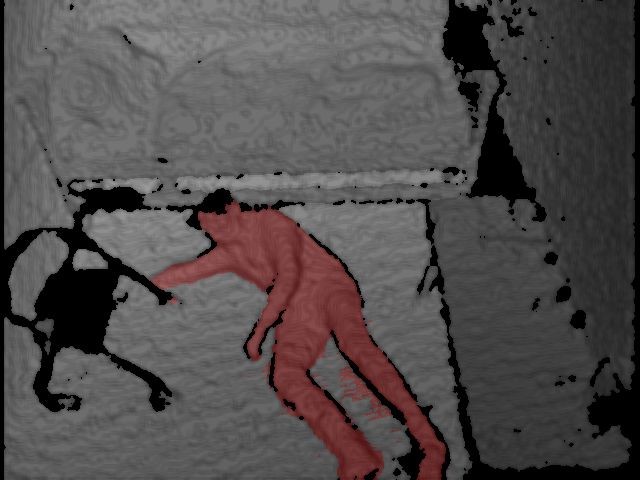
cogvis is built around a 3D infrared sensor that analyzes movement in real time. That real-time layer is what enables earlier alerts during risk moments (like standing up, sitting up, or bed exit behavior) instead of only after impact.
Dynamic prevention also means you’re not stuck with one sensitivity level for everyone.
The cogvis platform is positioned around per-room/per-person configuration—things like setting alarm times, creating risk profiles, and managing active rooms—so you can match alerts to real operational needs (especially at night).
One reason tech fails in care settings is alert fatigue. If staff can’t quickly understand why something triggered, trust breaks down.
cogvis leans into event visualization built from depth data so staff can immediately interpret whether it was a fall, bed exit, or absence—without needing camera footage.
If you’re trying to move from static → dynamic, or reactive → proactive, here’s a clean rollout path that usually works:
cogvis fits into this shift by supporting reactive workflows (detect/alert/analyze) and proactive workflows (prevent/early warn), with real-time sensing and configurable care operations.